


 Modern Slavery Statement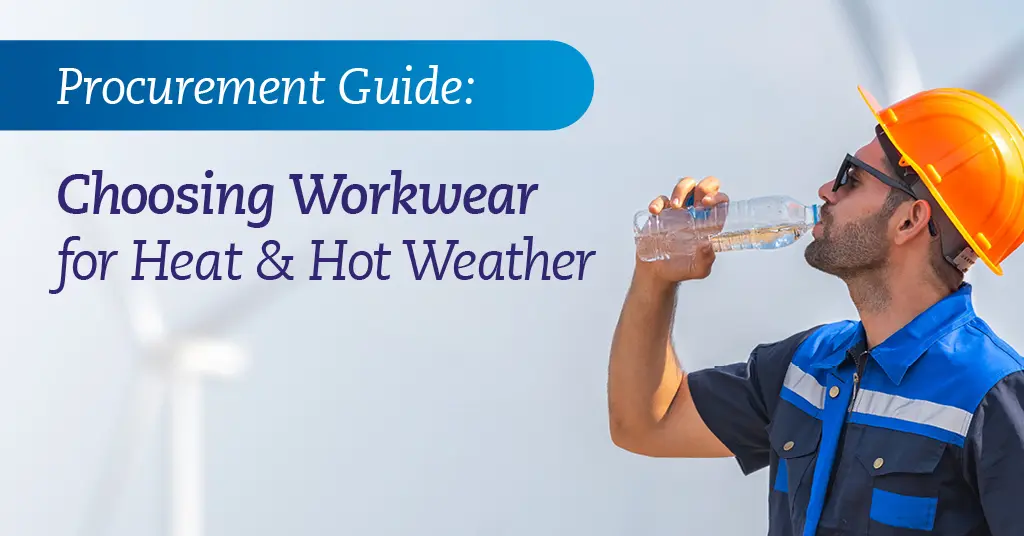
Procurement Guide: Choosing Workwear for Heat and Hot Weather
Hot weather has a huge impact on working conditions. Here at Banner, we see the same challenges every summer. Workers are still expected to perform at the same level, but the conditions they’re working in are very different – creating a complex balancing act for procurement teams.
You still need workwear solutions that protect your workforce, meet compliance requirements and stand up to daily use. But they also need to be comfortable enough to wear in higher temperatures, ensuring maximum safety for your staff.
In this blog, we’ll explore the risks of working in heat, your workwear compliance obligations and our expert advice on how to choose (and procure) the correct types of heat-ready workwear.
What are the risks of heat for your workforce?
Risks to your workforce surrounding heat mainly come from heat stress, dehydration, fatigue, and reduced concentration, with the exact exposure depending on the job and working environment.
Outdoor teams are exposed to direct sunlight and UV. Indoor teams can still struggle with poor ventilation, heat from machinery or physically demanding work. Many workers also move between both during a single shift, which can make temperature changes even more difficult to manage.
But what often gets overlooked is how this shows up in behaviour. People start adjusting PPE, loosening garments or wearing them incorrectly simply because they are uncomfortable, and that’s where risk increases. If workwear is too hot to wear properly, compliance tends to slip, and the safety risks increase massively.
What are your legal and compliance obligations around supplying workwear for heat?
At Banner, we always remind procurement teams that summer conditions do not change legal responsibilities, they just make them harder to manage in practice.
Under the Health and Safety Executive, employers are expected to assess workplace risks properly and take reasonable steps to control them, including risks linked to temperature and working conditions. There’s no set maximum workplace temperature in the UK, so responsibility sits with employers to manage risk through assessment and practical controls.
Here are three key legal frameworks you should know:
Employers must protect employees’ health and safety “so far as is reasonably practicable”, which in hot weather means you may need to change workwear specifications (e.g. lighter/breathable options) and controls if current garments create heat-related risk.
You must carry out a suitable and sufficient risk assessment and implement controls. If heat is a foreseeable hazard, your assessment should explicitly consider whether workwear/PPE increases heat strain and what you’ll do about it (e.g. alternative garments, rotation, extra breaks).
Where PPE is required, you must provide PPE that is suitable for both the hazard and the conditions of use, meaning hot-weather PPE must still meet the required protection level without introducing unacceptable heat stress risk (and you should select cooler-compatible options where needed).
Which workwear features and standards should procurement teams prioritise for hot weather?
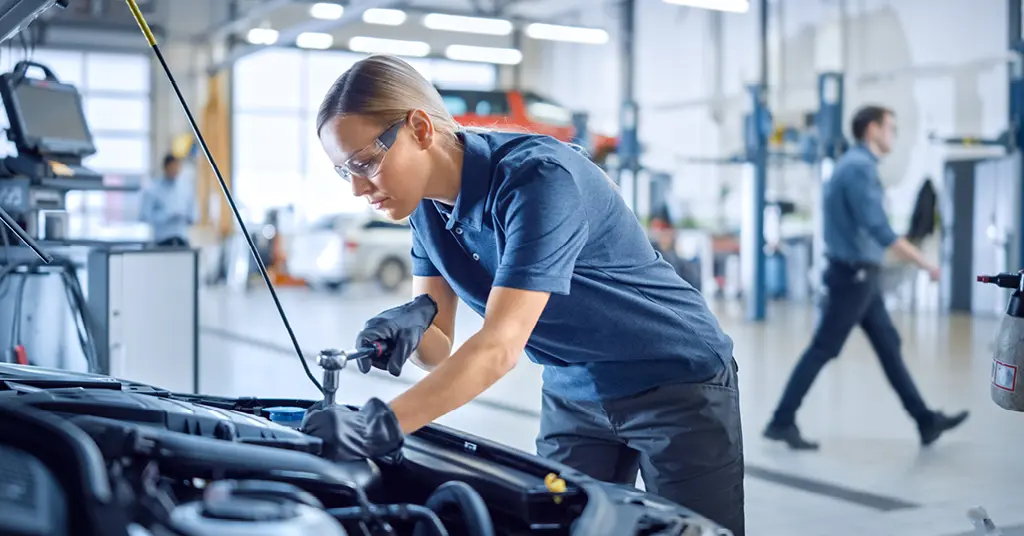
We often see procurement focus on comfort first when temperatures rise. That makes sense, but in practice it needs to sit alongside durability and compliance. It’s important to consider how garments behave in real working conditions, not just how they feel in isolation.
Fabric weight is one of the first areas to look at. Lighter GSM fabrics tend to feel cooler and more breathable, but they still need enough structure to cope with daily wear and washing.
Breathability is just as important. Moisture-wicking fabrics help move sweat away from the body, which can make a noticeable difference in physically demanding jobs like warehousing, logistics and outdoor maintenance.
Ventilation also plays a key role. Mesh panels, lighter construction and flexible fabrics all help with airflow, especially in roles where movement is constant.
And finally, lifecycle matters. Summer workwear is typically washed more frequently and exposed to harsher conditions. Ensure you’re thinking beyond purchase price and looking at how long garments will last in use.
How to choose specific types of workwear for hot conditions
At Banner, we always say there’s no single solution that works across every workforce. Different roles experience heat in different ways, so the right workwear needs to reflect that. Here’s an introduction to how we’d typically guide procurement teams through their summer and hot weather garment choices:
Work shorts
Work shorts can make a huge difference for physically active roles, particularly where teams are moving constantly outdoors or across large sites.
That said, they’re not suitable everywhere. Some environments require full leg protection for safety reasons, therefore, it’s always important to check site rules first.
Where shorts are appropriate, we usually recommend focusing on lightweight but durable fabrics that still hold up under pressure. Stretch materials can also help with movement, especially in trade and logistics roles where agility matters. Practical storage is another key consideration. Workers often rely on secure pockets for tools and equipment, so functionality is just as important as comfort

Trojan Stretch Men's Black Cargo Shorts with Holster Pockets 44
These shorts feature CORDURA-lined holster pockets, as well as cargo pockets ideal for storing hand tools and more.
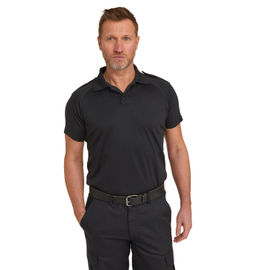
Unisex Wicking Polo Shirt Short Sleeve XL Black 0936-BLACK-XL
Trusted by the Emergency Services and Security Personnel alike, this high performance wicking shirt with attached epaulettes draws moisture away from the skin, keeping the wearer dry and able to perform in the toughest of environments.

Arco Responsible Orange Hi-Vis Cargo Trousers with Kneepad Pockets 36R
Support your business’s sustainability targets with the Arco Responsible range. These cargo trousers are constructed from naturally stretchy fabric in vibrant hues and with strategically placed reflective tape, so you remain noticeable even in low-light conditions.
Breathable polo shirts
Polo shirts tend to be one of the most widely used summer garments across the organisations we work with. They strike a balance between comfort and professionalism, which makes them suitable for both operational and customer-facing teams.
In warmer weather, we usually see procurement teams prioritise breathable fabrics and moisture management to help reduce heat build-up during longer shifts. Lightweight materials also make a noticeable difference in day-to-day comfort.
Lightweight work trousers
In many sectors, safety and operational requirements mean shorts simply aren’t an option – even in high temperatures.
In these cases, we recommend that procurement teams focus on reducing heat retention as much as possible, while making sure not to compromise protection. Lightweight fabrics, stretch construction and articulated designs can all help improve comfort during physically demanding work.
As we’ve said, it’s about making sure garments still support movement and safety, even when temperatures rise. Arco Orange Hi-Vis Cargo Trousers with Kneepad Pockets are a good example of a practical option for this.INSERT PRODUCT LINKS/IMAGES HERE

Beeswift High Visibility Waistcoat Full App G Orange 4XL WCENGOR4XL
This High Visibility waistcoat is made from 100% polyester. It has retro-reflective tape for greater visibility and hook and loop fastening. Machine washable at 40C up to
a maximum of 25 wash cycles.

Beeswift High Visibility EN471 Lightweight Jacket Orange 4XL TJ8OR4XL
Beeswift High Visibility EN471 Lightweight Jacket is made from PVC coated 150D polyester. Featuring a concealed hood, two-way heavy duty zip front with studded storm flap, 2 lower pockets with flaps, knitted storm cuffs, fully taped seams and retro reflective tape. EN ISO20471 Class 3 High Visibility.

Trojan Tros Men's Black ESD S1PS Safety Trainers 11
Trojan Tros Men’s Black ESD S1PS Safety Trainers 11 6TS0311.
- Composite toecaps and midsoles offer lightweight protection
- Outsoles are resistant to fuel oil
High visibility clothing
Hi vis is often one of the most challenging areas in summer procurement.
Teams still need to meet EN ISO 20471 requirements, but some hi-vis garments can feel heavy and uncomfortable in hot conditions.
We advise looking for lightweight fabrics, breathable panels and moisture management features where possible. In some roles, short-sleeve options may also be appropriate.
It’s also important to think about wear over time. Fluorescent fabrics and reflective materials naturally degrade with washing and UV exposure, so replacement planning becomes part of the procurement decision. Beeswift High Visibility Waistcoat offers a lighter approach to visibility wear for warmer conditions.
Lightweight jackets and outer layers
Even in summer, outer layers are still needed more often than people expect.
We recommend breathable, lightweight layers that can be worn or removed easily throughout the day without restricting movement. For this, the Beeswift High Visibility Lightweight Jacket is a good example of a practical summer outer layer for changing conditions.
Safety footwear and cooling accessories
Footwear can easily be overlooked in summer planning, but in our experience, it can have a huge impact on comfort over long shifts.
Lightweight safety trainers, breathable linings and cushioned soles can all help reduce fatigue. Trojan Tros Safety Trainers are designed with this in mind for active roles.
Cooling accessories can also support wellbeing during periods of extreme heat, particularly for outdoor teams working long shifts. For example, a cooling neck shade, vest or headwear is a great way to bring core body temperature down without affecting movement.

Common mistakes procurement teams make when buying workwear for hot weather
One of the most common mistakes we see is a one-size-fits-all approach across different departments. However, warehouse teams, outdoor engineers and customer-facing staff all experience heat differently and need different priorities from their workwear.
Another issue is focusing too heavily on upfront cost. Lower-cost garments can seem attractive initially, but they often wear out faster, lose shape after washing, or become uncomfortable more quickly. That usually leads to higher replacement costs over time.
We also see fit and inclusivity being overlooked. Poor-fitting garments can make heat discomfort worse and reduce PPE compliance. It’s something we cover in more detail in our inclusive workwear guide, because better-fitting workwear means better comfort and safer use in practice.
Finally, seasonal ordering is often left too late. Demand spikes during hot weather can affect availability, so forward planning is essential if you want to guarantee complete compliance and safety across your teams.

How Banner can deliver your hot weather workwear procurement
Here at Banner, we understand that hot weather workwear procurement depends on the working environment, job role, compliance requirements and how your garments perform in use.
And as one of the UK’s leading workwear providers, we support organisations across every sector with tailored, efficient solutions – from initial procurement consultation through to final delivery of the workwear.
If you’re looking to procure heat-ready workwear that’s designed to meet your team’s needs, we’re here to help. Get in touch today to find out more.