


 Modern Slavery Statement
Organisations across every sector are waking up to the fact that a healthy, supported workforce is a fundamental driver of performance, retention and long-term success. And one of the most tangible steps employers can take is creating a dedicated wellness room: a space designed specifically to support the mental and physical wellbeing of their people.
Here at Banner Interiors, we work with organisations every day on their workplace interiors, and we see the difference that thoughtfully designed spaces can have on employee wellbeing first-hand. In this guide, we’ll share everything you need to know about workplace wellness rooms – from the evidence behind them to the practical steps you should take to create one.
What is a workplace wellness room?
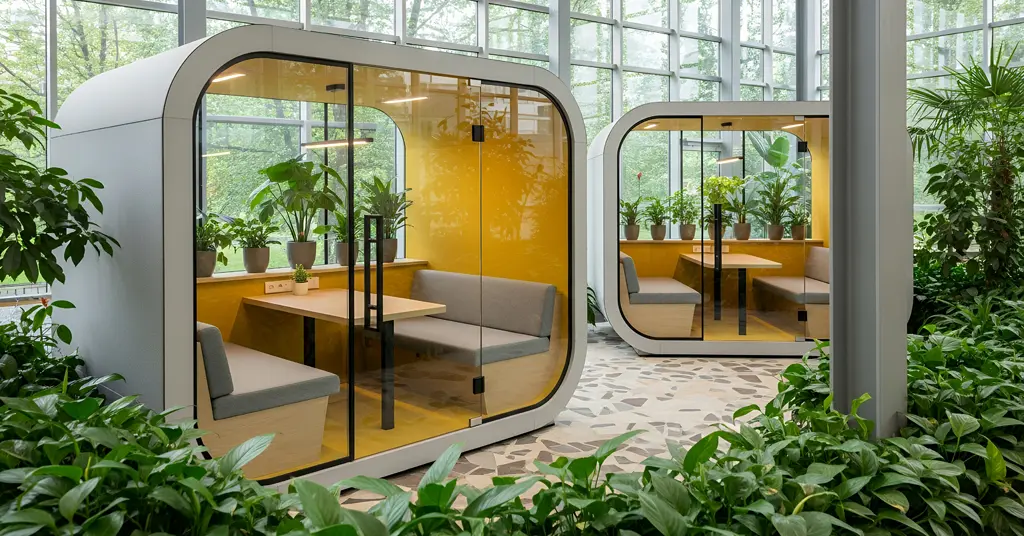
A workplace wellness room is a dedicated space within an office or other work environment that provides employees with a quiet, restorative place to get away. It can serve a range of purposes, from stress relief and mindfulness to private medical needs, lactation support or simply a place to decompress during a busy day.
What are the benefits of a workplace wellness room?
The business case for workplace wellness has never been stronger. Poor mental health now costs UK employers an estimated £51 billion per year, according to Deloitte, with presenteeism (being physically present but mentally disengaged) accounting for the single largest portion of that at around £24 billion annually. Meanwhile, the CIPD found that average sickness absence has risen to 9.4 days per employee per year, the highest level in more than 15 years.
But beyond the commercial, a wellness room also meets a very real human need in today’s workplaces. Employees are navigating higher levels of stress, change and cognitive load than ever before, and having a dedicated space for decompression can make a huge difference to how supported they feel day‑to‑day. These small moments of rest and restoration accumulate, helping employees feel more balanced and able to bring their best selves to their work.
The key benefits of a workplace wellness room are:
- Reduced stress, improved mental health:
Having a dedicated space where employees can step away, breathe and reset makes a real difference to day-to-day stress levels. Research consistently shows that even spending 20 minutes in a restorative environment helps to lower cortisol levels and reduce anxiety.
- Lower absenteeism and presenteeism:
Deloitte’s research also demonstrates that for every £1 invested in mental health interventions, employers can expect an average return of £4.70 through reduced absenteeism, lower presenteeism and decreased staff turnover. Wellness rooms are a brilliant use of this investment because they help employees regulate their wellbeing during the workday, giving them a place to decompress before stress escalates. This can ultimately prevent issues from building into disengagement (and eventual absence).
- Improved retention and recruitment:
A well‑considered wellness room can make a meaningful difference to how supported employees feel in their day‑to‑day working lives. Workplace wellbeing research consistently shows that employees are more likely to stay with organisations that invest in healthier workspace benefits, including wellness rooms, because these environments contribute to higher job satisfaction and a more positive employee experience. By demonstrating a genuine commitment to creating a supportive culture, wellness rooms can enhance employer appeal and play a quiet but influential role in both retention and recruitment.
- Better focus:
Restorative spaces can help lower cognitive fatigue, enabling employees to return to their work feeling clearer, calmer and more energised. Research into workplace mindfulness programmes further supports this, showing that spaces for mental restoration can improve mood and enhance engagement, which in turn help employees sustain productivity throughout the day.
- Compliance and duty of care:
Employers have a legal duty under the Health and Safety at Work Act 1974 to ensure the health, safety and welfare of their employees, which increasingly extends to mental as well as physical health. A wellness room demonstrates an active commitment to that duty, which is why we’re seeing an increasing number of companies now prioritising them as part of their wellbeing strategies.
Workplace wellness room ideas & inspiration
No two wellness rooms look the same, and that’s partly what makes them so effective. The best ones are designed with the specific needs of the workforce in mind. Below are some key features and elements we recommend considering.
Biophilic design
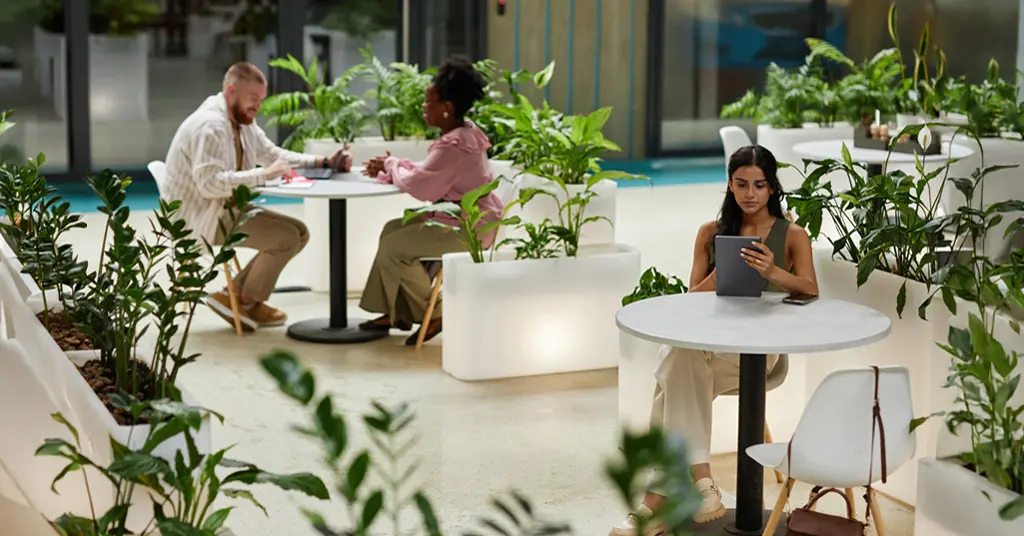
Incorporating natural elements into your wellness room is one of the best (and most evidence-backed) decisions you can make. Studies have shown that biophilic design yields significant psychological, physiological and cognitive benefits in the workplace, with employees in environments with natural elements even reporting up to a 15% higher level of wellbeing.
In practice, this means introducing indoor plants, living walls, natural wood and stone textures, and access to natural light wherever possible. At Banner Interiors, we offer biophilic and plant solutions as part of our workplace design consultancy, helping organisations find the right balance of greenery and natural materials for their specific space.
Calming colour palette
Colour has a measurable impact on mood and stress levels. For a wellness room, we recommend moving away from the bright, stimulating tones typical of open-plan offices and opting instead for soft, muted palettes such as warm whites, sage greens, soft blues and earthy neutrals.
These colours are associated with calm and rest and help to create a psychological shift as soon as someone steps through the door. It’s a small but significant detail, and one that’s often overlooked in favour of purely functional office designs.
Soft seating and relaxation furniture
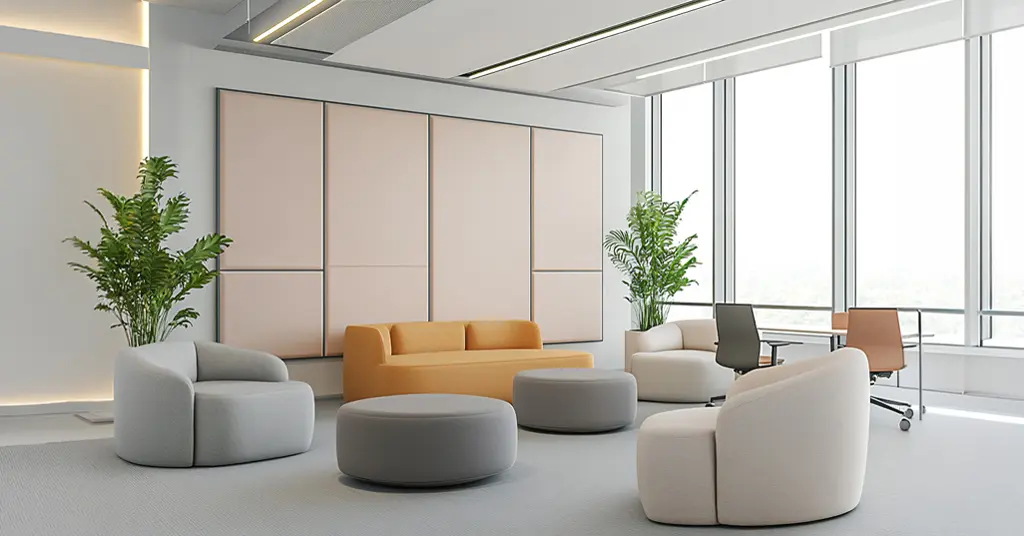
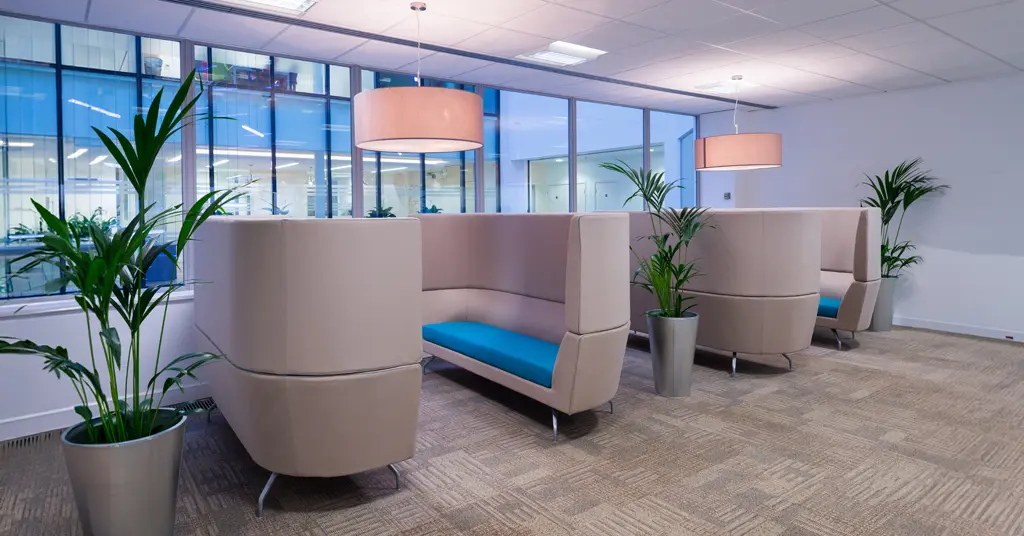
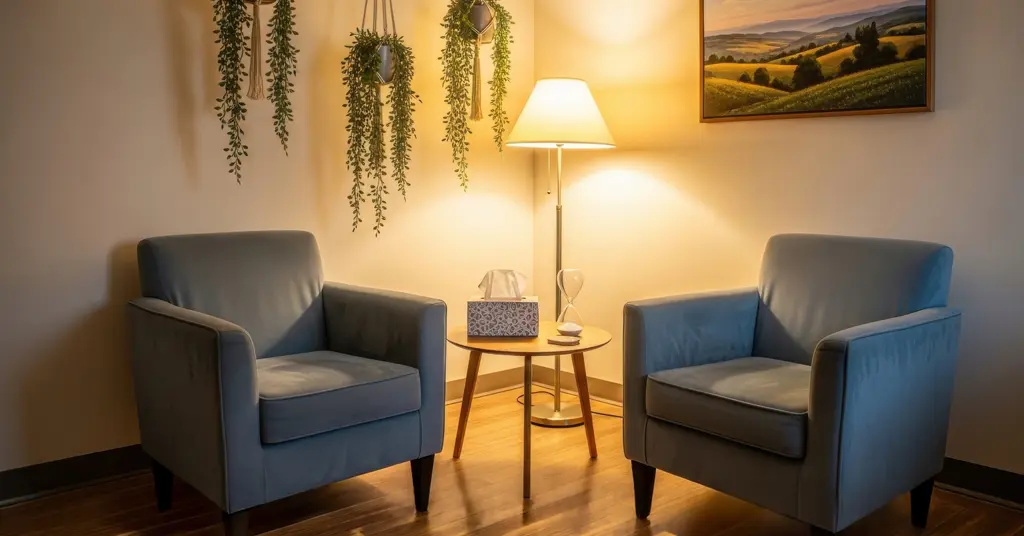
The furniture in a wellness room should feel immediately different to the rest of the workplace. This can be achieved by replacing desk chairs with soft seating such as pods, lounge chairs, floor cushions or reclining seats. The goal is to signal physically (as well as visually) that this is a space for rest, not work.
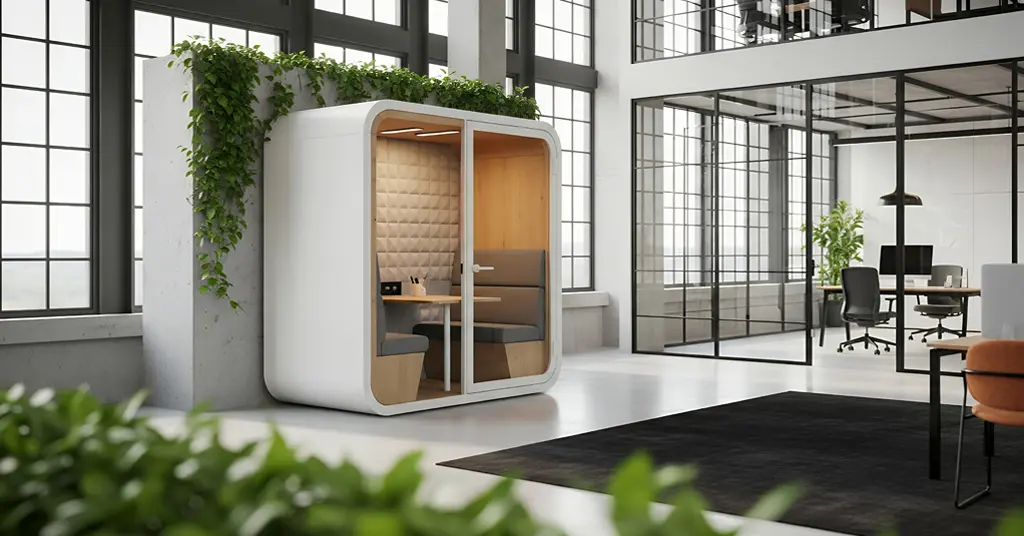
Here at Banner Interiors, we work with a range of furniture suppliers to provide soft seating, breakout pods and tub chairs designed specifically for wellness and breakout environments.
Acoustic privacy
One of the most common reasons wellness rooms fail to get used is poor acoustic design. If employees can be overheard or can hear the noise of the office from inside, they won’t use the space for anything personal or emotionally sensitive.
Acoustic screens, sound-absorbing panels, soft furnishings and effective door seals all play a role here. In our work at the National Oceanography Centre, advanced acoustic solutions were a central element of the workplace refresh, addressing background noise and improving focus and privacy for staff. It’s a principle that applies equally to a wellness room. When the space genuinely feels private, people will actually use it.
Natural light and lighting design
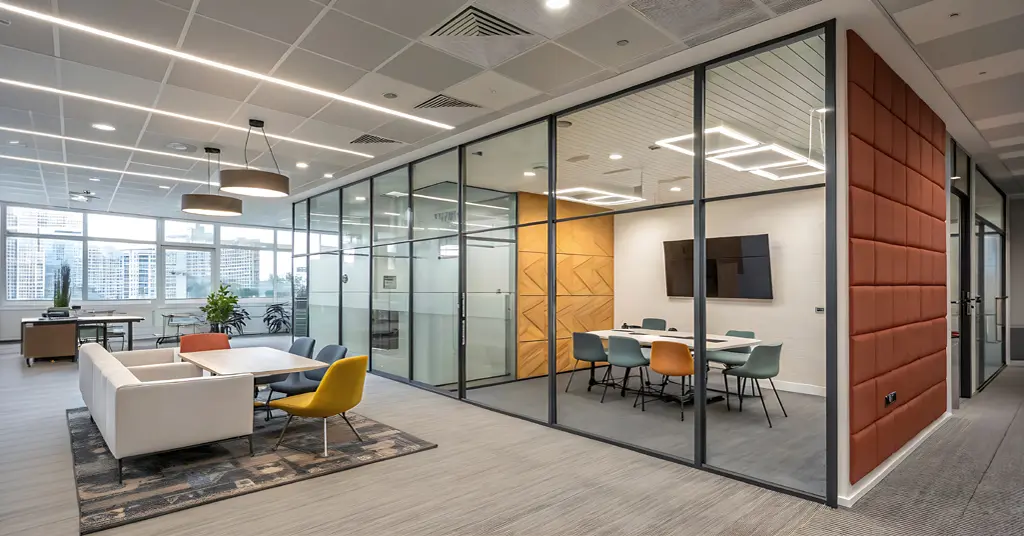
Access to natural light is one of the most important factors in a restorative environment. Studies have found that exposure to natural environments significantly reduces cortisol levels, with participants reporting lower stress and greater feelings of calm compared to those in artificially lit spaces.
Where natural light is limited, consider full-spectrum or circadian lighting that mimics natural daylight cycles, along with dimmable options that allow employees to adjust the atmosphere to suit their needs. Avoiding harsh fluorescent lighting in a wellness room is essential. The lighting should feel
warm and adaptable, not clinical.
Mindfulness and meditation provisions
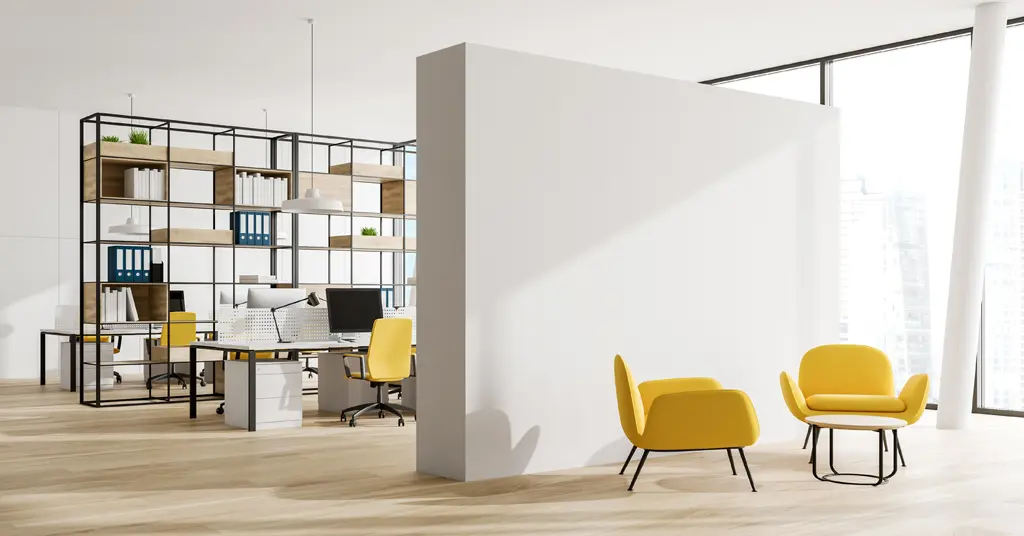
A growing number of organisations are dedicating part of their wellness room to mindfulness and meditation, whether that means providing yoga mats and cushions, a small meditation corner, or simply access to guided meditation content via a tablet or smart screen. Even a modest setup (e.g. a quiet corner with a yoga mat and some soft cushions), signals to employees that the organisation takes mental restoration seriously.

Aromatherapy and sensory elements
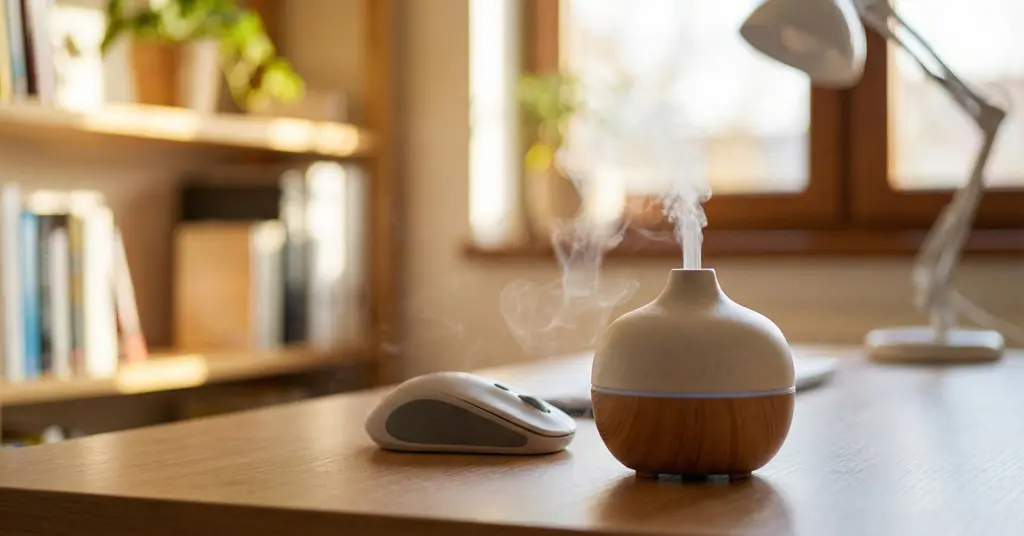
Gentle scent, subtle background sound and tactile materials all contribute to the restorative quality of a space. Research has shown that certain scents, such as lavender and citrus, can measurably reduce self-reported anxiety.
A diffuser with calming essential oils, a soft sound system playing natural ambient audio, or even a small water feature can all add to the sensory experience of the room. These aren’t expensive additions, but they can make a disproportionate difference to how the space feels and functions.
Ergonomic options
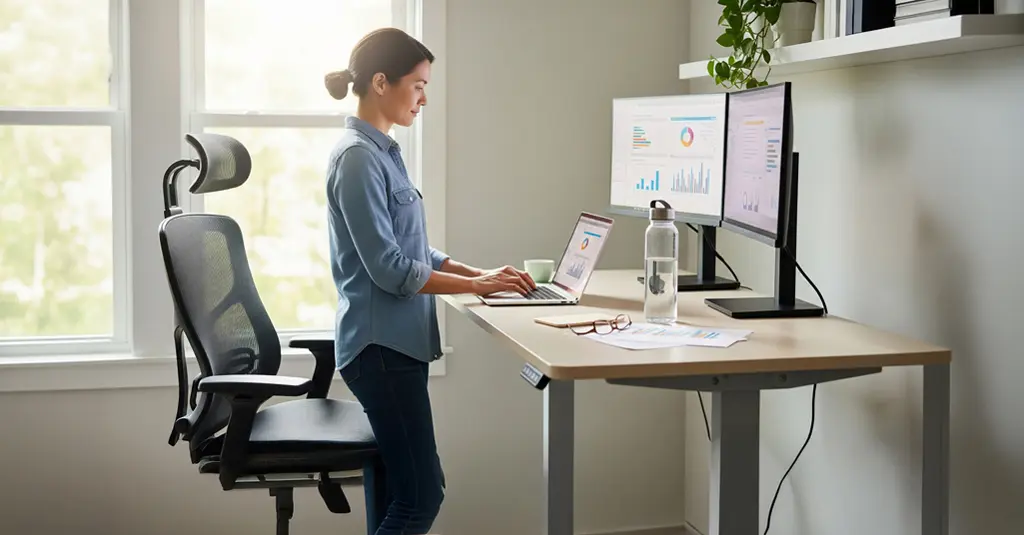
A wellness room doesn’t have to be exclusively about passive resting. For some employees, movement is restorative. Height-adjustable tables, ergonomic seating options, or a small space for gentle stretching can cater to those who prefer being active.
Ergonomics and DSE (Display Screen Equipment) assessments are a part of what we offer through Banner Interiors, and the same principles that apply to a healthy main workspace apply here too. Comfort and flexibility matter in a wellness room just as much as anywhere else.
Personal care and lactation facilities
For organisations with nursing parents in the workforce, UK law under the Workplace (Health, Safety and Welfare) Regulations 1992 requires employers to provide suitable rest facilities for breastfeeding mothers. Ensuring the space includes a comfortable chair, a small table, a power outlet and a secure door goes a long way. This is an element that is often forgotten during the design process and can becomes a source of significant frustration once the room is in use and we always recommend building it in from the start.
Top tips: Our advice for creating your workplace wellness room
Here’s a short practical checklist to guide you through the process:
- Survey your staff first. A wellness room that reflects genuine employee needs will be used. One that doesn’t will probably sit empty.
- Define the purpose clearly. Quiet zone, mindfulness space, lactation room or multi-purpose? You can combine functions but make sure you’re intentional about what you’re trying to achieve.
- Choose the right room. Prioritise solid walls, a proper door, reasonable natural light and minimal through-traffic. Visibility and footfall are the enemies of a good wellness space.
- Get the acoustics right before anything else. Without genuine privacy, the room won’t be used for anything sensitive which means it won’t fulfil its purpose.
- Choose furniture that signals rest. Soft seating and warm textures create the psychological shift you’re aiming for. Avoid anything that looks like a meeting room.
- Bring nature in. Even a few well-chosen plants will noticeably improve the restorative quality of the space.
- Tell your people it exists. Communicate what the room is for, who can use it and how. A wellness room nobody knows about is a wasted investment (but it happens far more often than you’d expect).
- Keep the booking process light. A sign on the door or a simple calendar slot is enough, just enough structure to manage demand without making it feel like admin.
- Review it after a few months. Ask for feedback and be willing to make changes. Wellness needs evolve, and the room should too.
How Banner Interiors can help your workplace design,
procure and create wellness rooms
At Banner Interiors, we support organisations of all sizes and sectors in creating workspaces that genuinely work for their people. Wellness rooms are an increasingly important part of that picture, and we bring the same depth of expertise to them as we do to any other aspect of workplace design.
Our service is end-to-end. We can support you at every stage, from initial space planning and CAD drawings to full project management and fit-out. That means you don’t need to coordinate multiple suppliers or manage the complexity of a refurbishment yourself. We take care of it.
Specifically, Banner Interiors can help with:
- Furniture procurement, including soft seating, breakout pods, acoustic screens and ergonomic options sourced from a wide range of premium suppliers.
- Biophilic and plant solutions, helping you specify and source the right natural elements for your space.
- Interior design consultancy, including CAD drawings, 3D walkthroughs and space planning to help you visualise and refine your wellness room before anything is installed.
- Acoustic solutions to ensure the room provides the privacy and quiet your employees need.
- Ergonomics and DSE assessments, ensuring any active wellness provisions are set up correctly for the people using them.
- Sustainable sourcing, working with suppliers who share our commitment to minimising environmental impact.
If you’re thinking about creating a wellness room in your workplace, or are reviewing your broader approach to wellbeing spaces, we’d love to talk. Get in touch to start planning your space.