


 Modern Slavery Statement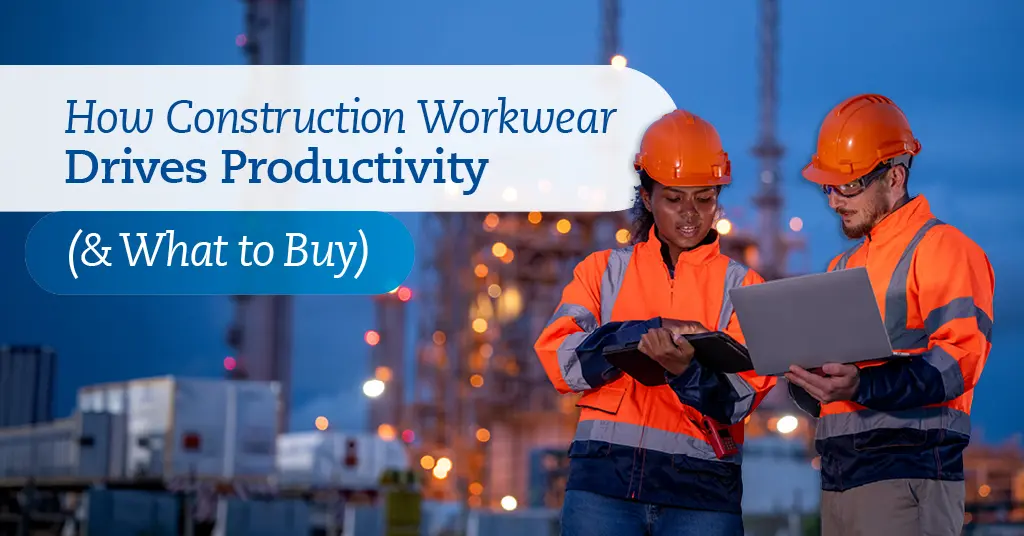
Construction workwear is often treated as a box-ticking exercise. Bought on price, replaced when worn out and judged on whether it meets minimum requirements. But when specified correctly, workwear and PPE can (and do) provide so much more value. They can be genuinely transformative for your team’s productivity.
Gilly Blackburn is a Workwear Specialist here at Banner. Having worked alongside procurement and facilities teams in construction and the wider built environment, Gilly’s seen firsthand how workwear specification shapes what a workforce can deliver on-site. In this blog, she shares why construction workwear is such a critical driver of productivity, and how procurement teams can get more from their workwear category.
Why workwear is such an important productivity tool for the construction industry
Workwear is crucial for workforce productivity. For one, it influences how effectively construction teams perform across the working day, both physically and mentally. For instance, a 2025 study shows that ‘thermal stress’ negatively impacts cognitive performance. Meaning workers who are too hot or too cold may struggle to concentrate or react quickly to situations on site, which ultimately reduces overall productivity.
I’ve also found that it can help workers sustain their performance consistently throughout the day. Correctly specified clothing helps your team operate at full capacity for longer periods, rather than experiencing gradual fatigue over time – which can be a major issue on construction sites. You also avoid the wasted time caused by poor quality, ill-fitting workwear that constantly needs adjusting and replacing.
Finally, it can influence workforce retention, which then directly affects overall site productivity. NAWIC Yorkshire found that 60% of employers do not provide PPE designed for women, with ill-fitting garments increasing discomfort and risk. This can discourage parts of the workforce from remaining in the industry, contributing to skills shortages and limiting the productivity of your wider team.

What are the impacts of construction workwear on site productivity?
I’ve summarised some of the key impacts below. These apply differently depending on whether you’re specifying for groundworkers, civils teams, formwork operatives, roofing contractors or multi-trade fit-out environments, but all of them really matter.
How thermal regulation and weather protection support site productivity
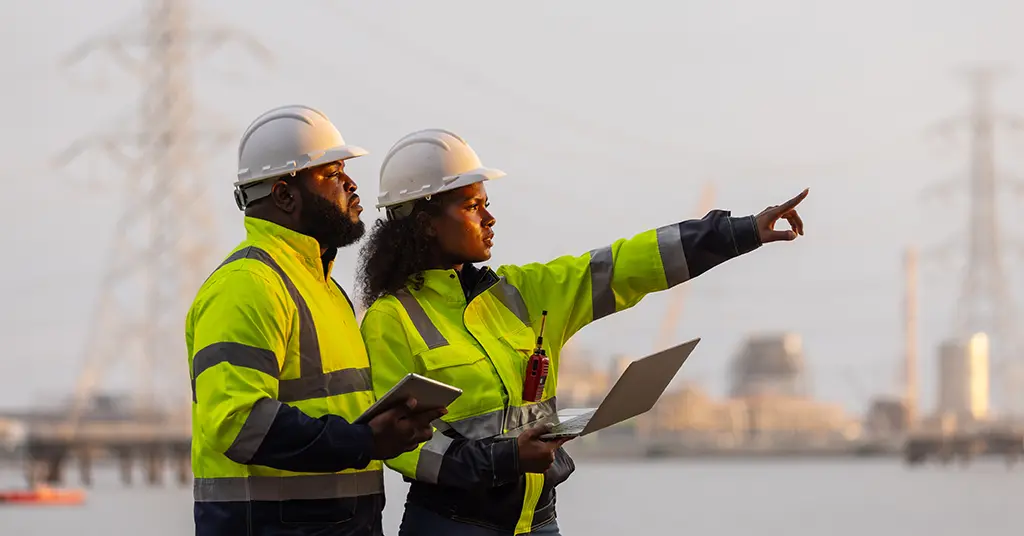
Construction teams don’t all work in the same conditions. A civils crew laying foundations in winter and a roofing team working in direct sun in summer need different types of clothing. One workwear specification will not suit both.
This is why layering matters. A good system includes:
- A base layer to move sweat away from the skin
- A mid-layer to keep the body warm
- An outer layer to protect against wind and rain
Your workers can add or remove layers as the weather changes, helping them stay comfortable and maintain productivity.
For groundworkers and plant operators who spend long periods outside, staying warm and dry should be a top priority. If the base layer does not deal with moisture properly, even a high-quality outer jacket will not perform as it should. Start with the layer closest to the skin and build from there.
How improved movement can impact efficiency
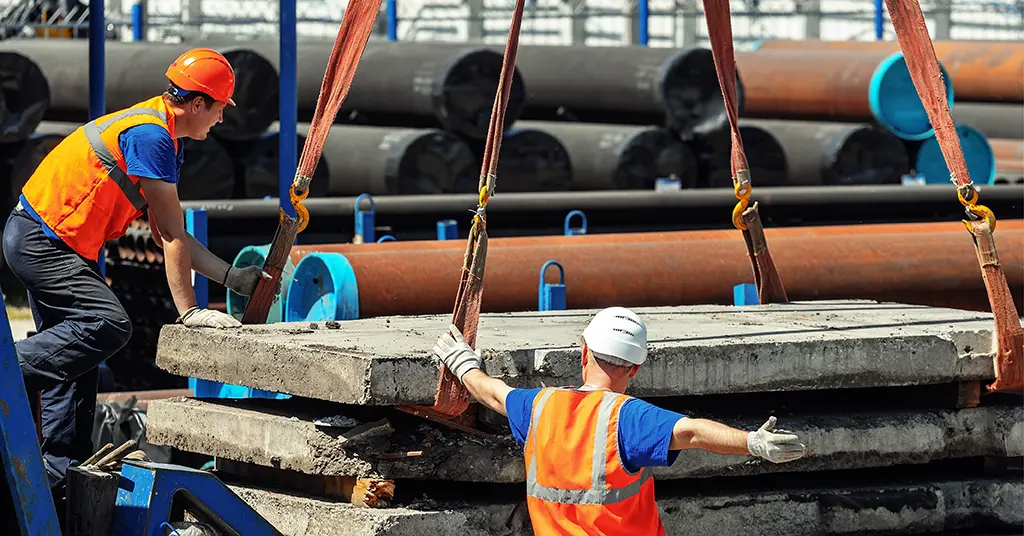
Construction work involves constant movement. Trades like bricklayers, roofers, joiners and carpenters all spend a lot of time working in awkward positions. If their trousers are too stiff or don’t have enough flexibility, every movement takes more effort. Over time, that can lead to discomfort and a higher risk of strain or injury.
Workwear that is designed to move with the body can help reduce some of that strain.
How comfort and fit help workers stay productive throughout the day
If construction workwear is uncomfortable, it becomes a distraction throughout the day. It might not stop your worker from doing their job, but it’ll probably impact how effectively they can do it.
Fit is also so important. Standard sizing doesn’t work for everyone. Women on site, workers at either end of the size range and people with different body shapes can all struggle to find inclusive workwear that fits properly.
When specifying trousers for onsite construction roles, look for EN 14404-rated knee protection pockets as a minimum. For jackets, test full range of motion before committing to a specification across a large workforce.
How workwear can improve confidence, and therefore productivity on site
Workwear also affects how people feel at work. By designing your construction clothing and PPE around employee needs, you’re sending a clear message to your people: your business values them.
I see this all the time in construction, and especially on client-facing sites or where keeping skilled workers is a challenge. Well-chosen workwear can help your workers feel more confident and more positive – driving particularly significant productivity gains.
Buying guide: How to choose construction workwear that drives productivity
A good place to start is by reviewing what people are wearing now. Speak to your site managers and workers across different trades. Ask simple questions, such as: What wears out too quickly? What feels restrictive? What leaves people too cold or too wet?
This kind of feedback can quickly show where your current specification is not working. Once you’ve got that information, focus on these key points:
- Match workwear to the job:
Different roles need different clothing. Groundworkers, carpenters and QA teams all face different conditions, so one standard range probably won’t work for everyone.
- Check the safety standards:
Make sure garments meet the standards needed for the environment. For example, hi-vis clothing should meet EN ISO 20471. Cold-weather clothing should be suitable for low temperatures. And waterproofs should have a clear performance rating.
- Get workers involved:
The person choosing the workwear is often not the person wearing it every day. Trialling products with real users helps spot problems before you commit.
- Think about overall value, not just unit price:
Include replacement rates, ordering time and the disruption caused when garments fail. This gives a clearer picture of which option is the best value for your team.
Our experts at Banner can guide you through the procurement process. Explore our workwear and PPE solutions for more details.
Banner’s construction workwear supplies and procurement solutions
We supply construction workwear and PPE for a huge range of site roles. We also support customers with account management and access to procurement frameworks, including Government Commercial Agency, (previously Crown Commercial Services).
Our range includes:
- Work trousers with stretch fabric, shaped knees and knee pad pockets for jobs that involve lots of movement
- Hi-vis jackets and vests that meet EN ISO 20471 Class 2 and Class 3 standards, with options for waterproof and softshell styles
- Waterproof outerwear for teams working outside in wet, windy or exposed environments
- Gloves and hand protection for general handling, cut protection and cold-weather work
- Eye and head protection including safety glasses, goggles and hard hats for environments with impact, debris and overhead hazards
We also help our construction customers consolidate workwear procurement with PPE, facilities supplies and other site essentials. Our consolidation services can reduce the number of suppliers you manage and improve company-wide productivity.
So, if you’re reviewing your current workwear specification or building a category management strategy for construction PPE and clothing, we’d love to help. Get in touch today to find out how.

Newland House
Tuscany Park
Normanton
Wakefield
West Yorkshire
WF6 2TZ

0843 538 311 (UK)
1800 905 907 (ROI)
Store






Banner Group Limited. Registered in England and Wales: 05510758
Our registered office is: Newland House, Tuscany Park, Wakefield, WF6 2TZ